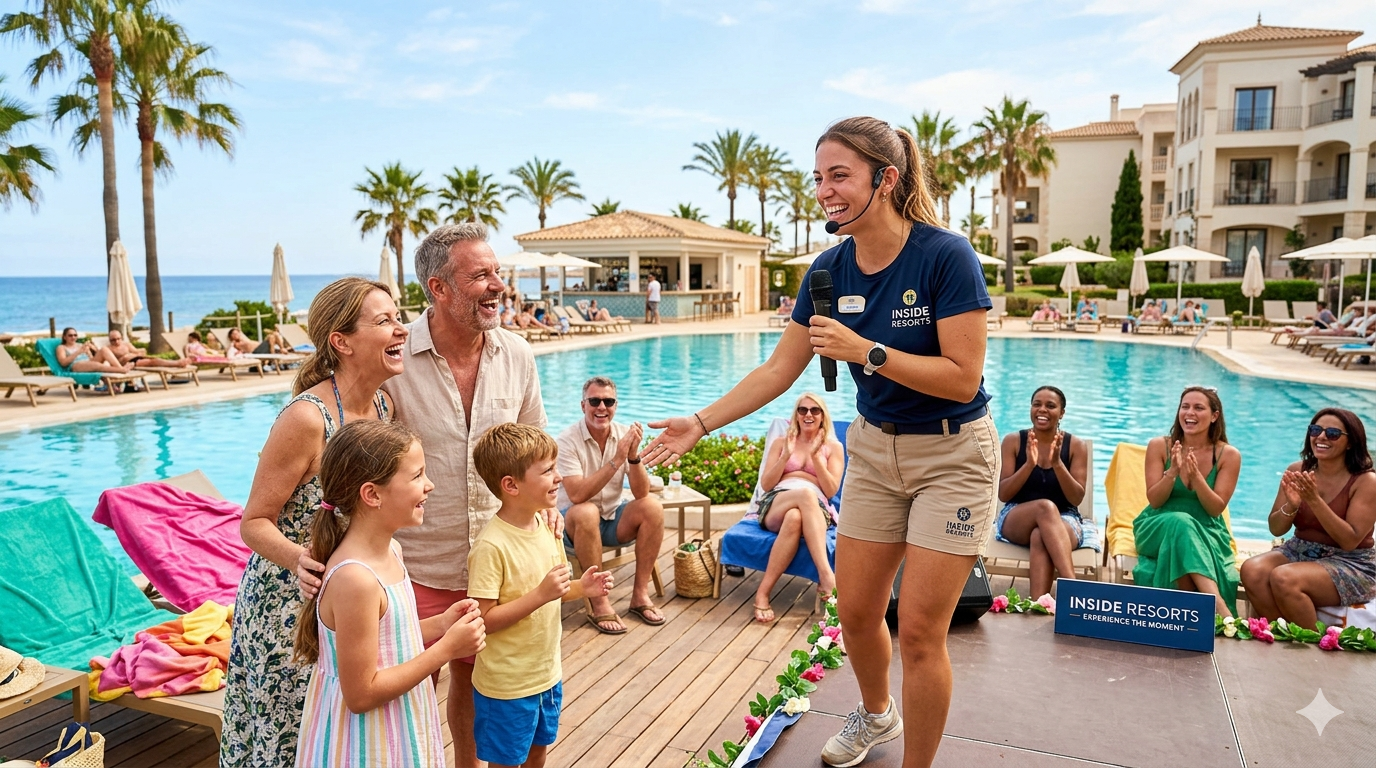

The Human Touch in Hospitality
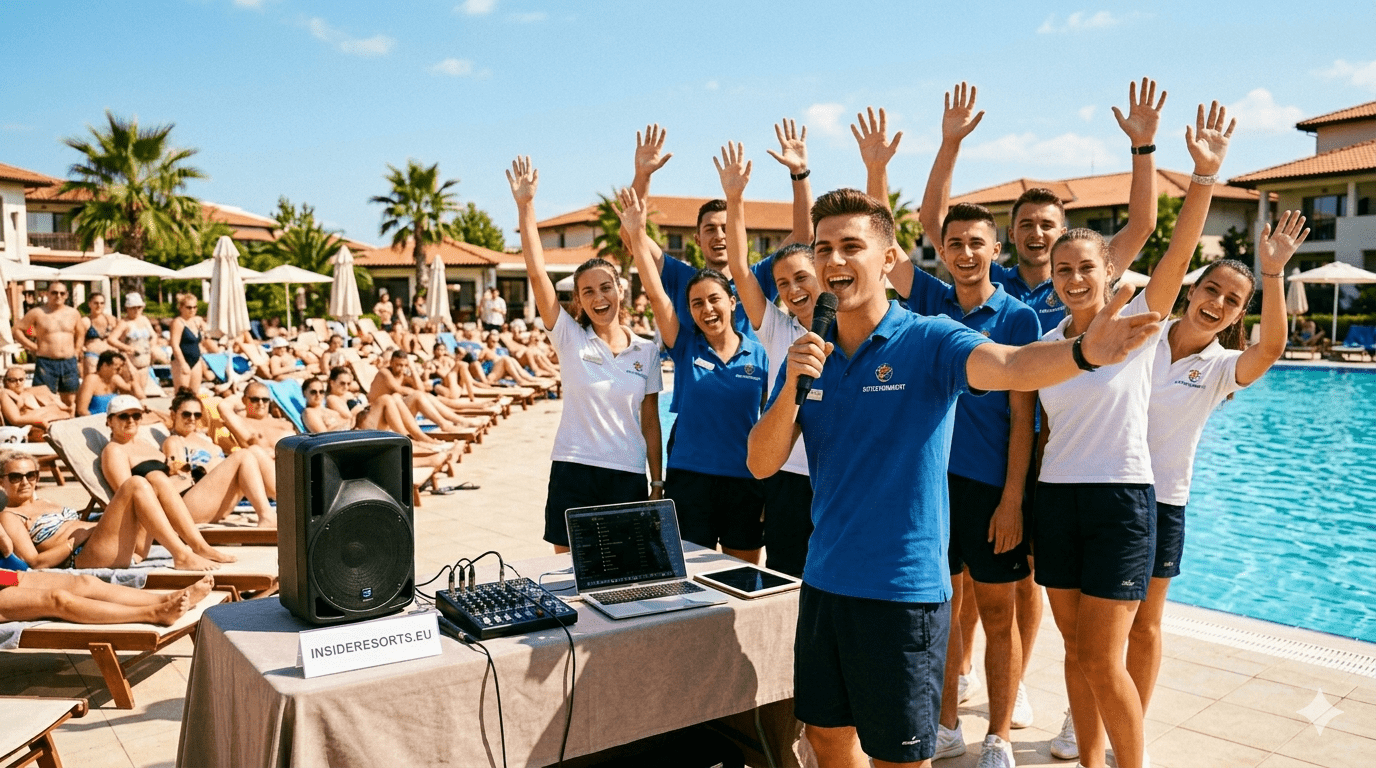
The Animator is the living embodiment of the resort’s brand. They are not merely staff members running activities; they are social engineers who facilitate interaction, lower social barriers, and create a welcoming atmosphere from the moment a guest steps onto the property. While a beautiful room or a gourmet meal sets the stage, it is the animation team that breathes life into the resort environment.
This post explores the unique, multidisciplinary blend of skills, mindset, and resilience required for this demanding role, and why investing in a top-tier animation team is one of the smartest financial moves a resort manager can make.
The Personality and Skills Required of an Animator
Being an entertainment professional requires a rare combination of hard and soft skills that cross traditional professional boundaries. A great animator must transition seamlessly from a sports coach to a stage performer, and finally to a PR diplomat, all within a single afternoon.
A. Essential Soft Skills (The Core)
Soft skills are the foundation of any successful entertainment department. They cannot easily be trained out of a manual; they require emotional intelligence and inherent charisma.
Energy and Enthusiasm (The “Switch-On” Factor)
The Concept: Sustained, genuine positivity, even after long shifts or during a challenging peak season.
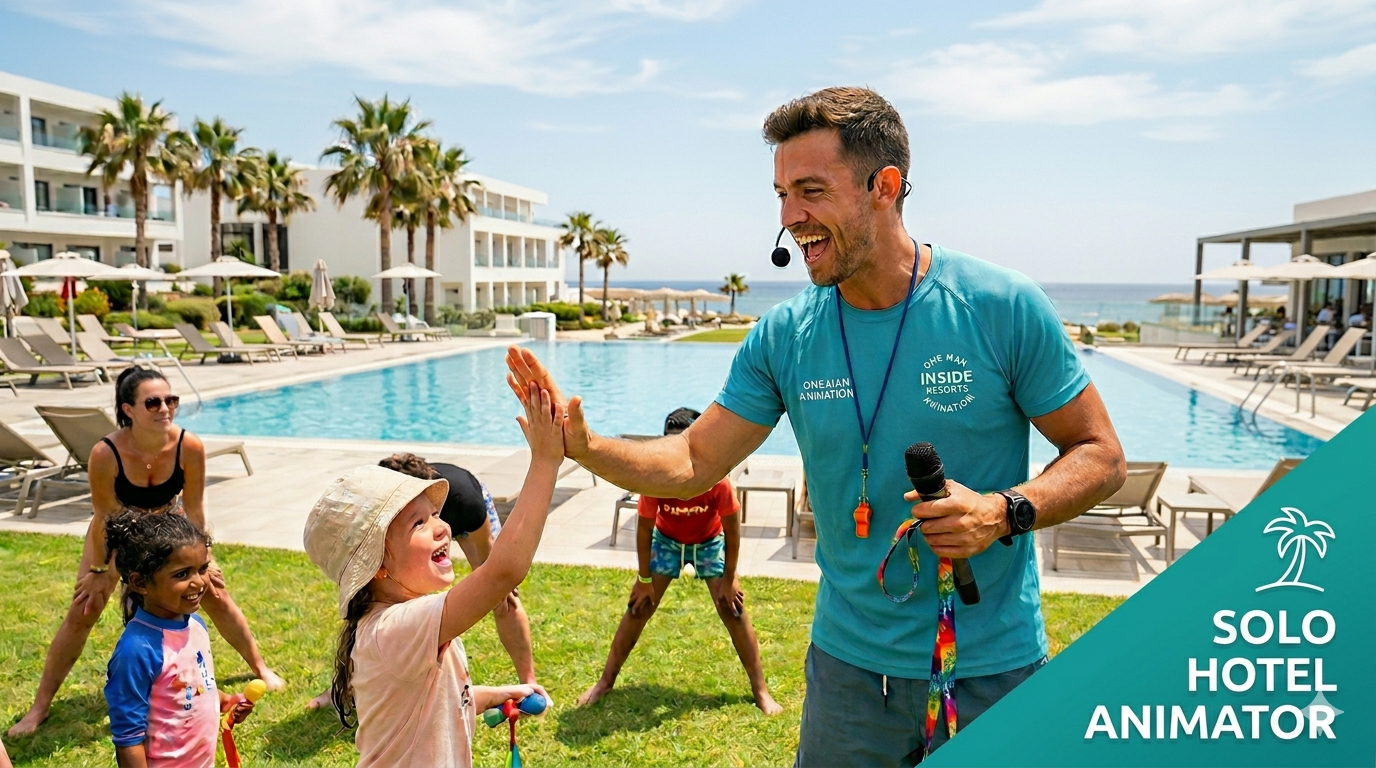
Real-World Example: Imagine it’s 3:00 PM in mid-August. The animator has been working since 9:00 AM, the heat is pushing 35°C, and they are about to host the daily pool game. The guest doesn’t care that the animator is tired. The professional animator instantly “switches on,” stepping up to the microphone with the exact same high-octane energy and radiant smile they had at breakfast.
Empathy and Social Intelligence (Reading the Room)
The Concept: The capacity to gauge a guest’s mood and approach them appropriately, knowing exactly when to pull them into an activity and when to offer them space.
Real-World Example: A guest is sitting by the pool looking stressed or staring at a phone. A novice animator might rush over, shouting and forcing them to join volleyball. A skilled animator approaches quietly, opens with a gentle, low-pressure joke or a polite inquiry about their stay, assesses if the guest wants to engage, and respects their boundaries if they just want to relax.
Adaptability and Improvisation (The Art of the Pivot)
The Concept: The need to pivot smoothly when equipment fails, weather changes, or a planned activity is poorly attended. This is the art of turning a potential disaster into a memorable, humorous moment.
Real-World Example: A sudden summer downpour cancels the outdoor Archery tournament. Instead of canceling the hour and leaving guests disappointed, the animator quickly gathers everyone under the pool bar porch, grabs a deck of cards or a portable speaker, and launches an impromptu “Pub Trivia” or interactive team game that leaves everyone laughing.
Resilience and “Thick Skin”
The Concept: The ability to handle constant polite rejection (when a guest says “no thanks” to an activity) and professional criticism without letting it bleed into subsequent interactions.
Real-World Example: An animator invites ten families to join a beach game and gets eight “no’s” in a row. A great animator smiles, wishes them a relaxing afternoon, and walks to the eleventh family with the exact same warmth, completely unbothered by the previous rejections.
Multilingualism (The Bridge to Connection)
The Concept: In international resorts, communication is paramount. Fluency or high proficiency in key guest languages is a fundamental requirement for breaking down cultural walls.
Real-World Example: During an evening pre-show cocktail hour, a high-level animator switches seamlessly from English to German, then turns to welcome a French family in their native tongue, instantly making every demographic feel seen, valued, and safe.
B. Core Hard Skills (The Tools of the Trade)
While soft skills open the door, hard skills are the technical tools animators use to execute high-quality daytime programs and evening spectacles.
Microphone Technique & Crowd Control
The Concept: Clear, engaging voice projection, pacing, and the ability to command the attention of hundreds of people simultaneously.
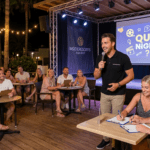
Real-World Example: Hosting a chaotic family bingo night with 200 guests in the amphitheater. The animator knows how to hold the microphone correctly (avoiding feedback from the monitors), controls their breathing, uses vocal inflection to build suspense, and easily quietens a noisy room without sounding aggressive or bossy.
Performance Skills & Stage Presence
The Concept: Basic dance, choreography execution, acting, and the physical confidence required to perform under stage lights.
Real-World Example: Stepping onto the stage for the resort’s weekly musical revue or comedy sketch show. Even if they aren’t a Broadway-trained dancer, the animator hits their marks cleanly, projects their movements to the back row, and maintains expressive facial storytelling throughout the entire performance.
Activity & Sports Proficiency
The Concept: The technical ability to safely teach and facilitate diverse sports, games, and fitness programs.
Real-World Example: Leading a 45-minute Aqua-Gym session. The animator doesn’t just splash around; they stand clearly on the pool edge, demonstrate correct physiological movements, cue the music transitions perfectly, and keep the intensity safe yet fun for both teenagers and seniors in the pool.
Basic Technical Knowledge
The Concept: Operating a simple sound mixing console, understanding basic lighting cues, and handling wireless audio gear.
Real-World Example: Arriving at the beach volley court to find the wireless speaker disconnected. Instead of calling maintenance, the animator knows how to troubleshoot the Bluetooth/XLR connection, adjust the master volume, and EQ the microphone so it doesn’t sound muffled.
Beyond Fun and Games: How Animation Impacts Resort ROI
To the untrained eye, the animation department looks like a cost center—an ongoing expense for costumes, sports gear, and staff wages. However, from a hotel management perspective, a strategic entertainment program is a major driver of Return on Investment (ROI).
Here is exactly how the “human touch” translates directly to the resort’s bottom line:
- Driving Secondary On-Property Revenue
Animators are the ultimate soft-sellers. Because they build high-trust relationships with guests throughout the day, their recommendations carry immense weight.
The ROI Impact: An animator chatting with a guest at the pool bar can casually mention the resort’s premium à la carte steakhouse, a special wine-tasting event, or the spa’s signature massage treatment. Guests are far more likely to book a paid service based on a friendly recommendation from their favorite animator than from a generic flyer left in their room.
- Skyrocketing Guest Retention and Direct Re-bookings
The cost of acquiring a new guest through online travel agencies (OTAs) and marketing is exponentially higher than retaining an existing one.
The ROI Impact: Guests don’t form emotional bonds with the physical concrete of a building; they bond with people. When children fall in love with the Mini Club team, or adults form friendships with the fitness coaches, they demand to return to the same resort next year. This drives repeat, direct bookings through the hotel website, completely bypassing heavy OTA commissions.
- Boosting Online Reputation and TripAdvisor Rankings
In modern hospitality, your TripAdvisor, Google, and Booking.com scores dictate your average daily rate (ADR). If your scores drop, your pricing power drops with them.
The ROI Impact: Look at any top-rated resort online, and you will see a recurring trend: guests explicitly mention animators by name (“Special thanks to Alex and Maria for making our holiday unforgettable!”). A proactive animation team actively encourages happy guests to leave reviews before they checkout, directly inflating the resort’s online ranking and allowing management to command higher room rates.
Conclusion: The Ultimate Catalyst for Guest Loyalty
Ultimately, great animation is the secret weapon of the modern resort. While luxury amenities, pristine infinity pools, and fine dining create a beautiful backdrop, it is the animator who turns that backdrop into an active experience. They transform an anonymous hotel stay into a vibrant, shared human community.
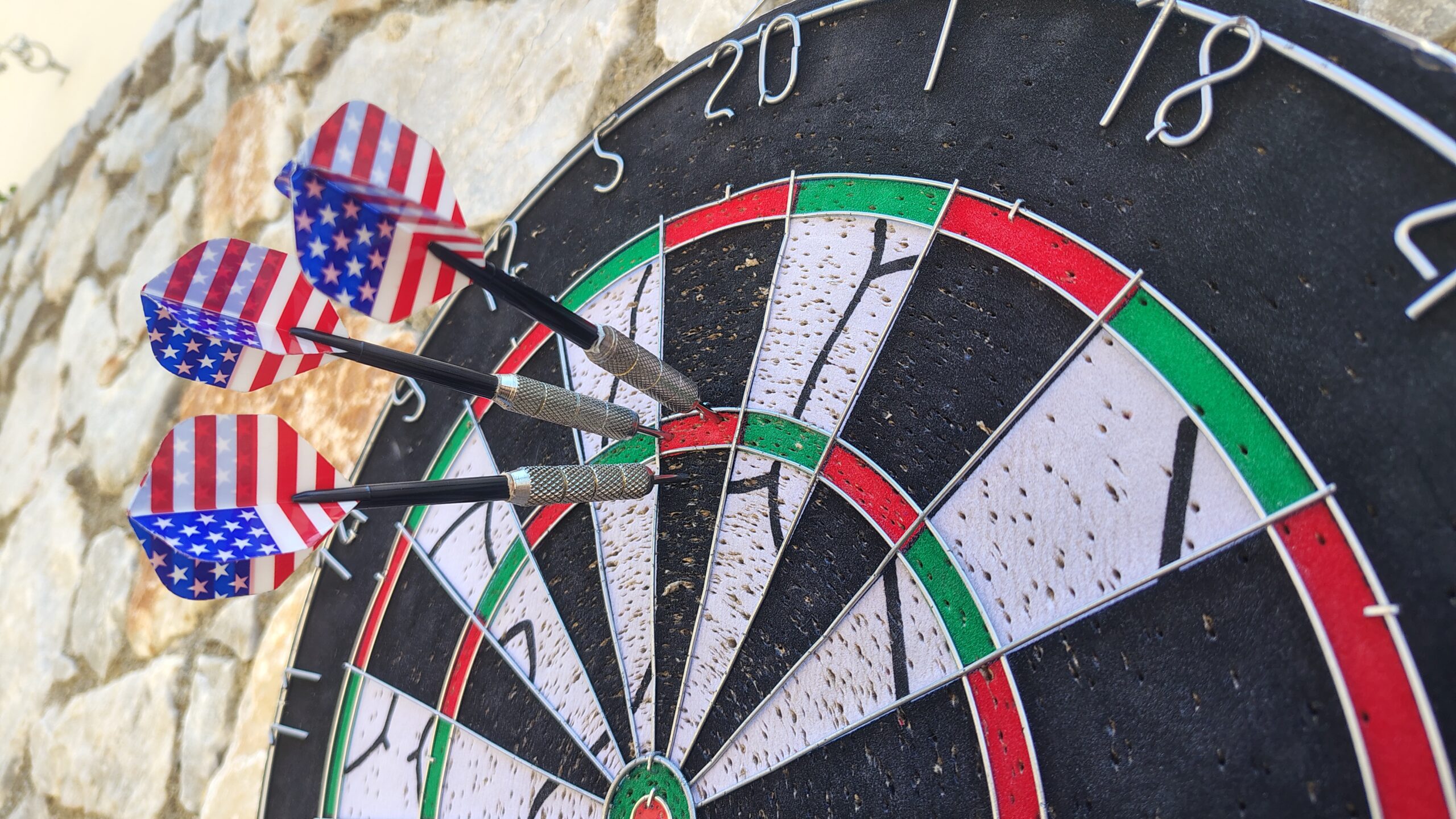
When an animator connects genuinely with a guest, they aren’t just filling an hour with a game of darts or an aqua-gym session—they are creating the emotional anchors that define a vacation. Long after the tan lines fade, guests don’t just remember the layout of the resort; they remember how they felt. It is this human touch, driven by a rare blend of stagecraft and heart, that turns first-time visitors into lifelong brand ambassadors.